

Broken, Damaged & End-of-Life Car Disposal
A broken or damaged car can quickly become more trouble than it is worth. Major mechanical faults, accident damage, failed WoF repairs or long periods off the road can leave owners deciding whether to repair the vehicle or dispose of it.
The right option depends on the vehicle’s condition, repair cost, age and whether it is still practical to keep on the road.
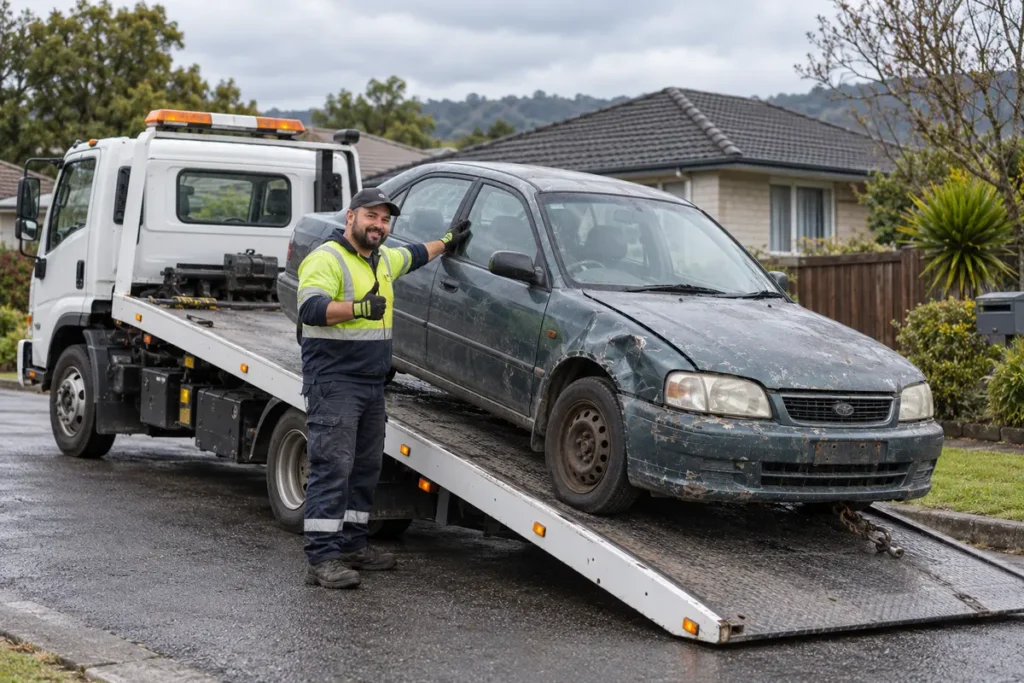
When Is a Car Considered Broken or Damaged?
A vehicle does not need to be completely destroyed to reach the point where disposal becomes worth considering. Common situations include:
- electrical faults
- blown or failed engine
- major rust or corrosion
- vehicle no longer running
- accident or structural damage
- gearbox or transmission failure
- missing or damaged components
- failed WOF with expensive repairs
- deregistered or long-term unused vehicles
In many cases, the main question is whether the cost and effort required to repair the vehicle still makes sense compared with its condition and remaining value.
Repair or Dispose of the Car?
Start by comparing the likely repair cost against the value and overall condition of the vehicle.
Repairing may still make sense when the fault is isolated and the rest of the vehicle is in good condition. Disposal becomes more practical when several major issues are present or the repairs are likely to exceed what the vehicle is worth to you. Consider:
- Repair cost: Get a realistic estimate for the work required.
- Vehicle condition: Look beyond the immediate fault. Worn tyres, rust, body damage and other mechanical issues can add significantly to the total cost.
- Age and mileage: Older or high-kilometre vehicles may develop further problems after the initial repair.
- Roadworthiness: A vehicle needing substantial work to pass its next WoF may not be economical to return to the road.

Car Disposal Options
There are several ways to deal with a vehicle that is no longer practical to keep.
Dispose of the Vehicle As-Is
A broken or damaged car does not always need to be repaired before it can be disposed of. Its condition, make, model, age, completeness and usable components can still affect what happens to it next.
Sell Individual Parts
Parting out a vehicle may produce more value in some situations, but it requires time, storage, mechanical work and dealing with multiple buyers.
For most owners, this is only practical when they have the space and knowledge to dismantle the vehicle safely.
Repair Before Selling
Minor repairs may improve a vehicle’s value, but major repairs should be considered carefully. Spending several thousand dollars on a vehicle with other existing problems may not provide a worthwhile return.

What About a Deregistered Car?
A deregistered vehicle can still have usable parts, components and recyclable materials. Before deciding what to do with it, check:
- whether the vehicle is complete
- whether the engine or gearbox is usable
- the extent of body or accident damage
- how long it has been off the road
- whether returning it to road use would require significant work
A deregistered car does not automatically have no value, but its condition will usually determine the most practical next step.
Can a Broken or Damaged Car Still Have Value?
Yes. A vehicle may still contain useful mechanical parts, body panels, wheels, electronics and recyclable materials even when it is no longer practical to repair. Factors that can affect its value include:
- make and model
- year
- accident damage
- missing parts
- overall completeness
- engine and transmission condition
- whether the vehicle starts or drives
This is why two damaged cars that appear similar can have very different values.


Information to Have Ready
If you are assessing what to do with a damaged vehicle, have the following details available:
- rego or VIN number
- approximate kilometres
- current condition
- known mechanical faults
- whether the vehicle starts or drives
- photos of the vehicle
Accurate information makes it much easier to determine the condition of the vehicle and the most practical disposal option.
Broken & Damaged Car FAQs
What can I do with a car that no longer runs?
You can repair it, sell it as-is, dismantle it for parts or dispose of it as an end-of-life vehicle. The best option depends on its condition and repair cost.
Is a damaged car worth anything?
Potentially. Even heavily damaged vehicles can retain value through reusable components and recyclable materials.
Should I repair my car before disposing of it?
Not necessarily. If the repair cost is high compared with the vehicle’s condition or value, repairing it first may not be worthwhile.
Can I dispose of a deregistered car?
Yes. Deregistration does not prevent a vehicle from being assessed for parts, materials or other end-of-life value.
What if my car failed its WoF?
Consider the total cost of the required repairs. If several expensive items need attention, disposal may be more practical than bringing the vehicle back to roadworthy condition.
Not Sure What to Do With Your Vehicle?
If your car is broken, damaged, deregistered or no longer economical to repair, provide the vehicle details and condition for an assessment. This can help you decide whether repairing it still makes sense or whether disposal is the better option.