
Car Wreckers Te Puke, Wrecking, Dismantling & Recycling
We’re car wreckers and licensed auto dismantlers servicing Te Puke. We buy damaged, non-running, written-off and end-of-life vehicles for wrecking, dismantling and recycling.
Give us the vehicle details, condition and location. We’ll assess its potential wrecking value and whether it is suitable for our dismantling operation.
What Our Te Puke Car Wreckers Do
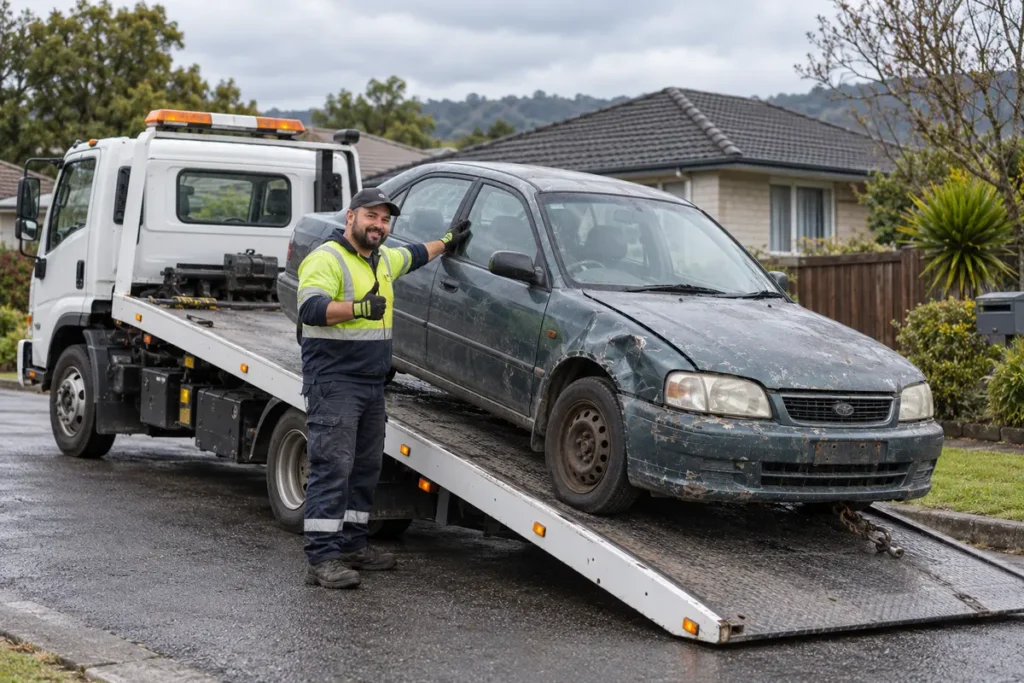
Wrecking provides a practical end-of-life process for vehicles that are no longer suitable or economical to keep operating.
We assess what can be recovered through dismantling before recyclable automotive materials and remaining metals move into the next processing stage.
Vehicles We Buy for Wrecking in Te Puke
- Non-running vehicles
- Rusty or high-kilometre vehicles
- Accident-damaged and written-off vehicles
- Cars with blown engines or gearbox problems
- Vehicles with no WoF or current registration
- Old cars that are no longer worth repairing
- Incomplete and long-term stored vehicles
- Vans, utes, 4WDs, SUVs and commercial vehicles

How We Assess a Vehicle for Wrecking in Te Puke

TELL US ABOUT THE VEHICLE
Give us a call or fill out the form. Tell us your vehicle type, location, and condition.

GET AN OFFER
We assess the vehicle using the provided details. Photos can help if there’s significant damage.

WE COLLECT YOUR VEHICLE
If you accept the offer, we arrange free pickup, pay you on the spot and help sort the relevant paperwork.

How Car Dismantling and Recycling Works
Car dismantling allows an end-of-life vehicle to be worked through before its remaining materials are recycled.
Suitable components may be recovered, automotive fluids and other materials handled appropriately, and recyclable metals separated from what remains.
This helps recover usable value from the vehicle rather than treating everything as one stream of scrap material.
When Does Wrecking a Vehicle Make Sense?
- Major engine or gearbox failure
- Serious accident damage
- Repeated WoF issues
- Significant rust or deterioration
- An older ute or 4WD requiring substantial repairs
- A work vehicle that is no longer reliable
- A vehicle that has remained unused for a long period
Car Wreckers Servicing Te Puke
Te Puke is the main service town for the eastern Western Bay of Plenty and sits within a strong horticultural and rural-service area. The wider Te Puke area includes communities such as Waitangi, Rangiuru and Te Ranga.
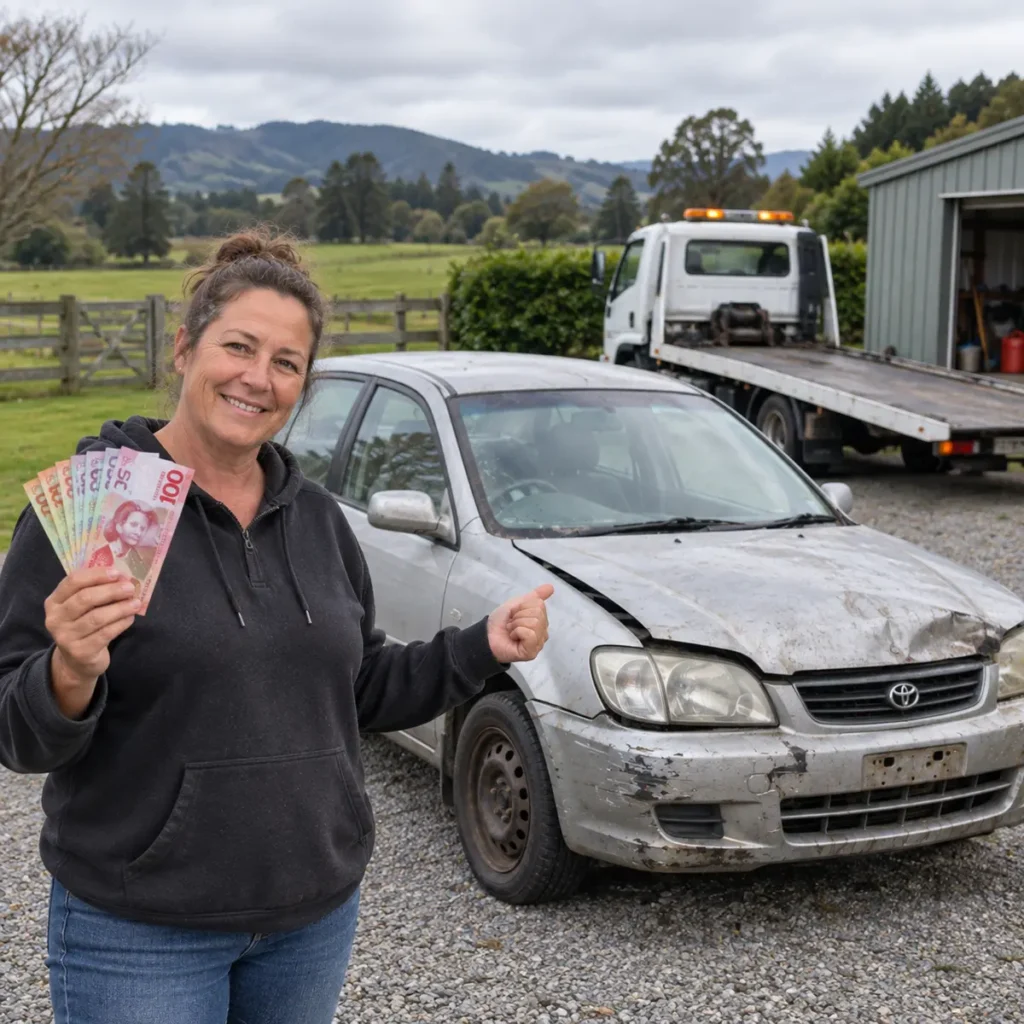
That local mix means vehicles can be located at residential properties, workshops, farms or business sites. Alongside passenger cars, we can assess utes, 4WDs, vans and other commercial vehicles that have reached the end of their practical working life.
Tell us where the vehicle is located, whether it runs or rolls, and about any access issues when requesting an assessment. Our licensed dismantling operation is based in Hamilton, with Te Puke forming part of our Bay of Plenty service coverage.
Car Wreckers Te Puke Common Questions:
What is the difference between car wreckers and vehicle dismantlers?
Car wreckers deal with damaged and end-of-life vehicles. Vehicle dismantlers separate those vehicles so suitable components and recyclable automotive materials can be recovered.
Do Te Puke wreckers buy non-running vehicles?
Yes. We assess non-running vehicles including cars with failed engines, gearbox problems, accident damage and other significant mechanical faults.
Can you wreck a vehicle with no WoF or registration?
Yes. A current WoF or registration is not required for every vehicle we purchase for wrecking. Tell us its current status when providing the details.
Do you assess utes and work vehicles?
Yes. We can assess utes, vans, 4WDs and other commercial vehicles as well as passenger cars. Each vehicle is assessed individually.
Do you have a wrecking yard in Te Puke?
Our licensed wrecking and auto dismantling operation is based in Hamilton. We service Te Puke and can arrange collection of vehicles we agree to purchase before they enter our dismantling operation.
What happens to a vehicle once it enters the wrecking process?
It is assessed for dismantling. Suitable components and materials can be recovered before the remaining recyclable material is processed.